How to Diagnose a Fridge That Stops Cooling
When a refrigerator stops cooling, it can disrupt daily routines and raise concerns about food safety. Before calling a professional, it is often helpful to perform a basic diagnostic assessment. This article provides a structured approach to evaluating common components such as the compressor, condenser coils, and thermostat. Understanding these parts and their functions can help in identifying potential issues and communicating effectively with a service technician.
The process of diagnosing a cooling failure involves observing symptoms, checking simple external factors, and then examining internal components. While some causes may require professional repair, many problems can be traced to a few common areas. This guide outlines a step-by-step method to inspect those areas, emphasizing safety and careful observation throughout the process.
Initial Checks: Power Supply and Temperature Settings
Before opening the appliance, it is important to verify that the refrigerator is receiving power and that its settings have not been inadvertently changed. Start by checking the power cord for any visible damage and ensure it is firmly plugged into a grounded outlet. If the interior light does not illuminate when the door is opened, the unit may not be receiving electricity. In that case, testing the outlet with a lamp or multimeter can confirm whether electricity is present.
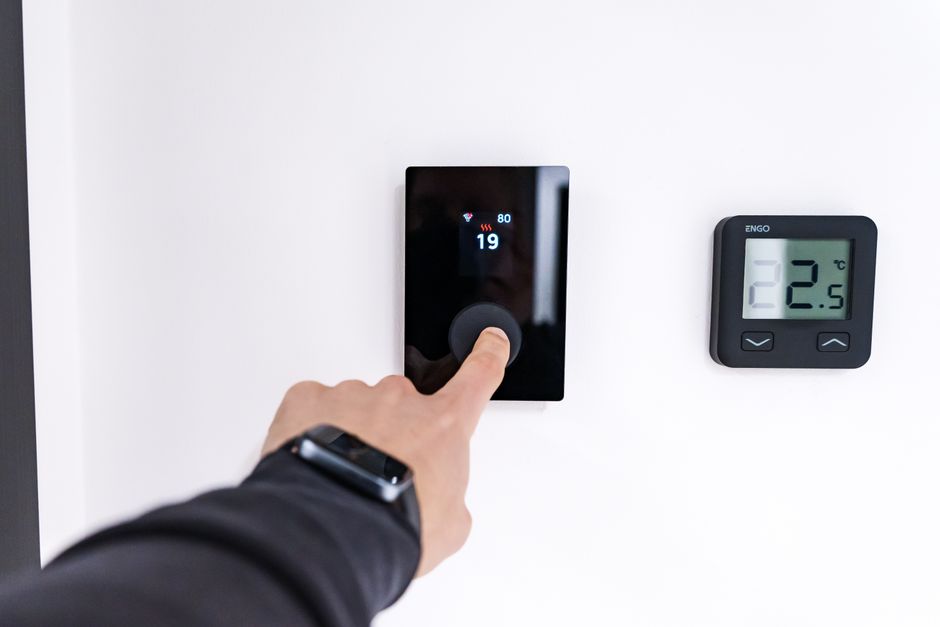
Next, review the temperature controls. Many refrigerators have separate controls for the fresh food and freezer compartments. If a setting has been moved to a warmer position, cooling performance will be affected. It is also worth checking that the control knobs or touch panels are functioning correctly, as some models have electronic displays that might indicate error codes. These codes, when documented, can provide clues for further investigation. However, keep in mind that settings can be accidentally changed by household members, so confirming the intended temperatures is a simple yet critical first step.
Airflow and Door Seals
Proper airflow is essential for even cooling. If vents inside the refrigerator are blocked by food items or containers, cold air cannot circulate effectively. Inspect the interior and remove any obstructions. Additionally, the evaporator fan, which is typically located near the back of the freezer compartment, must operate to move air across the coils. A noisy or non-functional fan may indicate a problem. Listen for continuous airflow or periodic buzzing sounds that might suggest fan issues.
Door seals, also known as gaskets, play a crucial role in maintaining the internal temperature. A worn or damaged gasket can allow cold air to escape, causing the unit to run longer and struggle to cool. To test the seal, close the door on a dollar bill and try to pull it out. If it slides out easily, the gasket may need cleaning or replacing. Cleaning the gasket with warm, soapy water can sometimes restore its flexibility. Also, inspect the door alignment to ensure it closes completely and evenly.
Condenser Coils and Fan
The condenser coils are typically located either behind the refrigerator or beneath it, depending on the model. These coils dissipate heat from the refrigerant to the surrounding air. Over time, dust, pet hair, and debris can accumulate on the coils, reducing their efficiency. If the coils are dirty, the refrigerator has to work harder to cool, and it may fail to reach the desired temperature. Visual inspection can reveal dust buildup, but if lights and mirrors are used carefully, you can see the condition without removing too many components.
Cleaning the coils is a task that can be done with basic tools. For units with external coils, disconnect the power and gently vacuum the coils using a brush attachment. For coils beneath the refrigerator, remove the access panel if present. In addition, the condenser fan, which blows air over the coils, must be functioning. Accessibility varies by model, so consult the manufacturer’s manual if needed. A condenser fan that is not running can lead to overheating and poor cooling.
The Thermostat and Temperature Sensors
The thermostat controls the compressor based on temperature readings. If the thermostat is faulty, it may not signal the compressor to run, or it may run continuously. To diagnose, locate the thermostat. In many refrigerators, it is a dial or digital control inside the fresh food compartment. Using a multimeter, you can test the thermostat for continuity. At room temperature, the thermostat should show continuity; when placed in a glass of ice water, it should open, indicating a break in continuity. If the readings are not consistent, the thermostat may need replacement.
Modern refrigerators also have electronic temperature sensors that relay information to a control board. These sensors are not easily tested without a multimeter and a wiring diagram. However, one can listen for the compressor cycling on and off. If the compressor starts but the refrigerator doesn’t cool, the evaporator coils might be frozen, or the sealed system could be compromised. At this point, professional diagnosis becomes more likely.
Compressor and the Sealed System
The compressor is the heart of the cooling system, pumping refrigerant through the circuit. It is usually located at the bottom of the unit and can be identified by its cylindrical shape. When the compressor starts, it may emit a low hum. A clicking sound followed by a pause may indicate a start relay issue. Testing the start relay involves checking for continuity and looking for charred connections. If the compressor itself is faulty, it may draw either too much or no current, and refrigerant leaks can cause the compressor to work without achieving cooling.
Assessing the sealed system is more complex and often requires specialized tools. The refrigerant pressures and the integrity of the lines are best left to certified technicians. However, feeling the temperature of the evaporator coils can provide a clue. If they are uniformly cold, the cooling cycle might be working. If they are only partially cold, there might be a refrigerant issue. Another common cause of insufficient cooling is a buildup of frost on the evaporator coils due to a faulty defrost heater, timer, or bi-metal switch. These components can be tested with a multimeter, but they require disassembly of the freezer floor or back wall.
When to Call a Professional
Some diagnostic steps, such as resetting the control board or servicing the sealed system, should only be attempted by a trained technician. Attempting repairs without experience can lead to personal injury or further damage to the appliance. If the initial checks do not reveal the cause, or if you observe signs like overheating compressors, frozen evaporator coils, or unusual noises, it is advisable to schedule a service visit. Professional technicians can perform detailed pressure tests and electronic diagnostics to pinpoint the issue accurately.
In summary, diagnosing a refrigerator that stops cooling involves a systematic review of its power supply, airflow, coils, and controls. By performing these checks, you can gather valuable information that helps in deciding whether a simple fix suffices or whether expert assistance is needed. Remember to practice safety by unplugging the appliance before any significant disassembly or testing. With careful observation and a methodical approach, you can navigate the process of restoring your refrigerator’s cooling performance.