Essential Maintenance for Washing Machines to Avoid Breakdowns
Washing machines are among the most frequently used appliances in a household, yet they often receive little attention until a problem arises. Many common issues, such as unpleasant odors, leaks, or poor performance, can be prevented with a consistent maintenance routine. Understanding the key components—the drum, filters, and hoses—and knowing how to care for them can extend the lifespan of the machine and reduce the likelihood of unexpected breakdowns. This article outlines straightforward practices and inspection points that homeowners can incorporate into their regular home care.
Maintenance is not about complex repairs but about consistent, simple actions. By establishing a schedule for cleaning and checking critical parts, it is possible to address minor issues before they escalate. The focus here is on practical steps that anyone can perform without specialized tools. The guidance provided is general in nature and intended for informational purposes; specific models may have additional requirements, so consulting the manufacturer’s manual is always recommended.
Understanding the Key Components
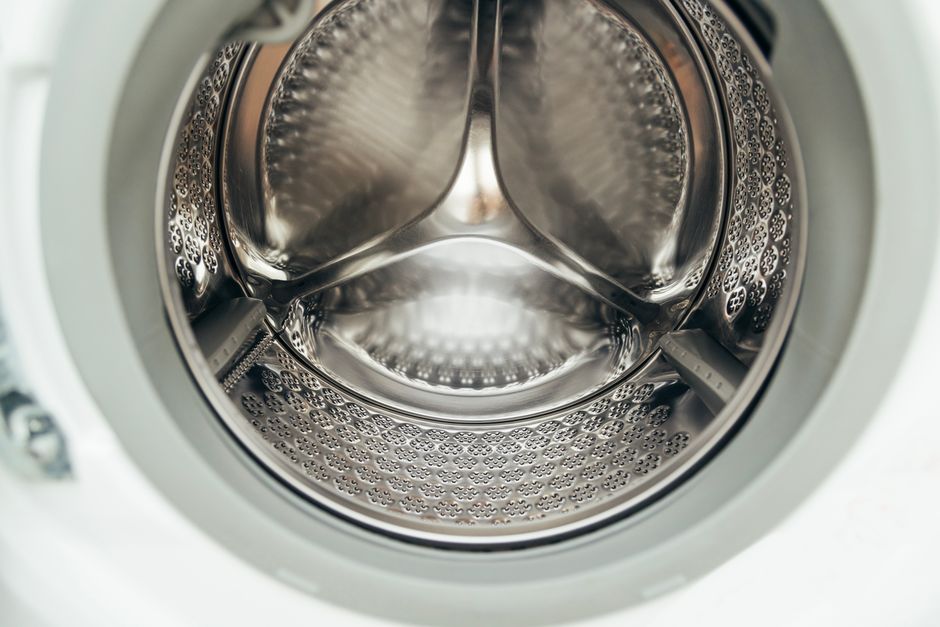
To maintain a washing machine effectively, it is helpful to understand the role of its main parts. The drum is where clothes are washed and rinsed, and over time, detergent residue, fabric softener, and dirt can accumulate on its inner surface. Filters are designed to catch lint, coins, and other small items, preventing them from clogging the pump or drain system. Hoses carry water in and out of the machine, and they are subject to wear and tear from constant water pressure and movement.
Each component plays a vital part in the machine’s operation. If the drum becomes coated with residue, it can lead to mold growth and musty smells. A clogged filter can cause drainage problems, leaving clothes soaking wet or causing the machine to stop mid-cycle. Damaged hoses can result in leaks, which may cause water damage to the surrounding floor. Regular attention to these areas can help maintain performance and safety.
Cleaning the Drum and Gasket
The drum and door gasket (the rubber seal around the door) are prime areas for residue build-up. After each wash, it is advisable to leave the door slightly ajar to allow air circulation and drying, which discourages mold and mildew. Once a month, running an empty cycle with hot water and a washing machine cleaner can help dissolve deposits. Alternatively, a mixture of white vinegar and baking soda can be used, but it is important to check the manufacturer’s instructions, as some cleaners may be recommended.
The gasket often traps water, lint, and small objects. Wiping it down with a damp cloth after use, paying attention to the folds and crevices, can prevent debris from accumulating. If visible mold appears, a solution of water and mild detergent can be used to clean it, but harsh chemicals should be avoided as they may damage the rubber. Regular cleaning of the gasket not only reduces odors but also maintains the seal’s integrity, which is crucial for preventing leaks.
Maintaining the Filters
Most washing machines have a lint filter or a drain pump filter that requires periodic cleaning. The location and type of filter vary by model; some are accessible at the bottom front, while others are integrated into the agitator or drum. Consulting the user manual can clarify where the filter is and how to remove it safely. Generally, it is recommended to clean the filter every one to three months, depending on usage and the type of items washed.
To clean the filter, first unplug the machine and, if applicable, shut off the water supply. Place a shallow pan or towels beneath the filter area to catch any residual water. Open the filter cover and gently remove any lint, hair, or debris. Rinse the filter under running water until it is clean, then replace it securely. Regular filter maintenance helps ensure proper drainage and prevents the pump from straining, which can lead to premature failure.
Inspecting the Hoses
The hoses that connect the washing machine to the water supply are often overlooked but are critical for preventing floods. Over time, hoses can develop cracks, bulges, or brittle spots due to constant water pressure and temperature changes. It is advisable to inspect the hoses monthly, looking for any visible signs of wear. Also, check the connections at both the faucet and the machine to ensure they are tight and not leaking.
If any damage is detected, replacing the hoses is a straightforward task that can be done with standard tools. It is recommended to replace rubber hoses every five years as a precaution, even if they appear to be in good condition. Stainless steel braided hoses are more durable and can be considered as an upgrade. When reinstalling, avoid overtightening the connections, as this can damage the washers and cause leaks. Ensuring the hoses are properly positioned, without sharp kinks, can also extend their lifespan.
Additional Preventive Measures
In addition to drum, filter, and hose maintenance, there are other habits that contribute to the machine’s longevity. Using the correct amount of detergent and fabric softener, as indicated by the manufacturer and load size, can reduce residue build-up. High-efficiency (HE) machines require HE detergent, which produces fewer suds and is better suited to their cycles. Avoiding overloading the machine helps maintain balance and reduces stress on the motor and suspension.
It is also beneficial to periodically check the machine’s leveling. An unbalanced machine can cause excessive vibration, which may loosen connections or damage components over time. Using a level to check and adjusting the feet can ensure stability. Furthermore, keeping the area around the machine clean and free of dust can prevent airflow blockage and reduce the risk of overheating. These simple steps, when combined with regular cleaning and inspections, form a comprehensive maintenance routine.
Regular maintenance not only helps avert breakdowns but also contributes to more efficient operation. A clean machine is less likely to develop odors, and it may use less energy because it does not have to work as hard. However, it is important to note that even with diligent care, breakdowns can still occur due to factors beyond control, such as manufacturing defects or extreme use. In such cases, professional repair services may be necessary.
Proper maintenance can reduce the risk of common issues, but outcomes are not guaranteed. The effectiveness of any maintenance routine depends on various factors, including usage patterns, water quality, and the model of the appliance.
In summary, maintaining a washing machine involves a combination of regular cleaning and inspection of the drum, filters, and hoses. By incorporating these practices into a monthly or seasonal schedule, homeowners can address minor issues proactively. Understanding the function of each component and taking simple preventive steps can help preserve the machine’s condition and potentially avoid costly repairs. While no maintenance routine can completely eliminate the possibility of breakdowns, it is a prudent approach for any household.