Preventive Care Tips for Your Microwave Oven
Microwave ovens have become a staple in many kitchens, offering a convenient way to heat food and prepare meals. Despite their widespread use, they are often neglected when it comes to routine care. Regular preventive maintenance can help ensure that your microwave operates efficiently and safely over time. This article outlines practical steps for maintaining your microwave, focusing on cleaning the interior, inspecting the door seal, and avoiding common mistakes that can lead to damage. By understanding these practices, you can extend the lifespan of your appliance and maintain its performance.
Preventive care is not just about addressing issues after they arise; it involves proactive measures that minimize wear and tear. For microwave ovens, the key areas of attention include the interior surfaces, the door seal, and the types of materials placed inside. Each of these factors contributes to the overall functionality and safety of the appliance. This guide will provide clear, actionable steps that you can incorporate into your routine, helping you keep your microwave in good working condition.
Understanding the Importance of Regular Cleaning
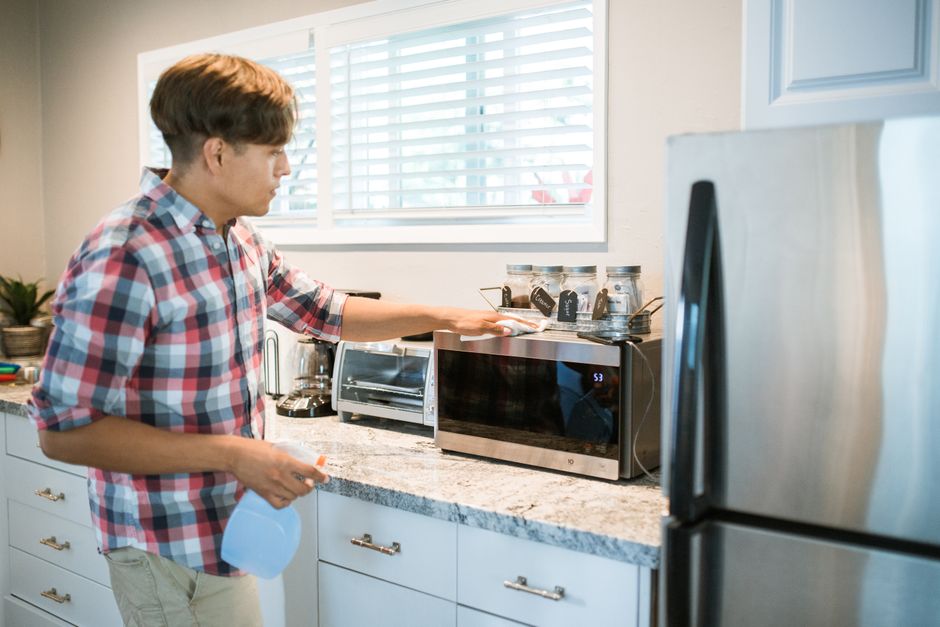
Cleaning the interior of your microwave is more than a cosmetic concern. Food splatters and spills left inside can dry out, harden, and become difficult to remove over time. More importantly, they can affect the performance of the microwave. When food residue accumulates, it can absorb microwave energy, leading to uneven heating and increased cooking times. In some cases, burnt food particles can emit unpleasant odors and even cause smoke, which may trigger safety sensors.
A clean interior also contributes to a hygienic environment. Food residue can harbor bacteria, which may come into contact with other foods placed inside. Regular cleaning reduces the risk of cross-contamination and keeps your microwave safe for everyday use. While microwave radiation itself is not known to cause contamination, the introduction of foreign particles can compromise cleanliness. Therefore, establishing a cleaning routine is a fundamental aspect of preventive care.
When cleaning, it is advisable to use mild detergents and non-abrasive materials. A soft cloth or sponge with a mixture of water and dish soap is usually sufficient. For stubborn stains, a paste of baking soda and water can be applied and then wiped off. The goal is to remove residue without scratching the interior surfaces, which could create crevices where food particles can accumulate.
Inspecting the Door Seal for Safety and Efficiency
The door seal of a microwave oven is a critical component for both safety and efficiency. This seal prevents microwave radiation from escaping the oven cavity during operation. A damaged or worn seal can compromise the containment of radiation, posing potential health risks. Additionally, a faulty seal can lead to heat loss, causing the microwave to work harder to achieve the desired temperature, which reduces efficiency and increases energy consumption.
Routine inspection of the door seal is a straightforward task that can be performed at home. Begin by examining the rubber gasket that lines the door edge for any cracks, tears, or deformation. Also, ensure that the door closes firmly and aligns properly with the frame. If you notice any issues, it is important to address them promptly. In most cases, a damaged seal should be replaced by a qualified technician, as proper alignment and fit are crucial for the seal to function correctly.
Another aspect of door maintenance is keeping the seal area clean. Dirt and grease can accumulate on the gasket, affecting its ability to create a tight seal. Wiping the gasket and the corresponding area on the microwave body with a damp cloth can help maintain its integrity. This simple step can prevent premature wear and ensure that the door closes securely every time.
Avoiding Materials That Can Cause Damage
The types of materials you place inside your microwave have a significant impact on its longevity. Metal objects, for instance, can cause arcing and sparking inside the microwave, which can damage the interior and potentially start a fire. This includes not only metal pots and pans but also items like aluminum foil, metal trimmed plates, and even some decorative ceramics with metallic paints. It is crucial to avoid using such materials, as the consequences can be severe.
Instead, use microwave-safe containers made of glass, ceramic, or certain plastics labeled microwave-safe. These materials are designed to withstand microwave energy without overheating or releasing harmful substances. When in doubt, check the manufacturer’s instructions or look for a symbol indicating microwave safety. It is also advisable to avoid containers that are cracked or chipped, as they may not provide adequate protection against heat.
In addition to materials, it is important to consider the shape and size of the items placed inside. Overcrowding the cavity can block the distribution of microwaves, leading to uneven heating and potential hot spots that could cause food to burn. Leaving space between items allows for more even heating and reduces the strain on the appliance. By being mindful of what you place inside the microwave, you can prevent many common issues.
Developing a Maintenance Schedule
Developing a regular maintenance schedule can help ensure that these preventive measures are consistently applied. A simple approach is to incorporate cleaning and inspection into your weekly routine. For instance, you might wipe down the interior after every few uses, depending on how often you microwave food. A more thorough deep cleaning can be performed monthly, which might include removing the turntable and cleaning it separately, as well as wiping down the exterior.
Monthly inspections can also include checking the power cord and plug for any signs of wear or damage. Although less commonly necessary, this step can identify potential electrical issues early. Additionally, testing the microwave’s performance, such as heating a cup of water and noting the time, can give you an idea of whether it is operating efficiently. If you notice any significant changes, it may be time to consult a professional.
Keeping a simple log can help you track maintenance activities and spot patterns. For example, if you find that the interior becomes dirty quickly, you might adjust your cleaning frequency. Similarly, if you notice a persistent odor, a more thorough cleaning with vinegar or lemon juice might be necessary. The goal is to establish a routine that works for you and your usage patterns.
Addressing Common Issues and When to Seek Professional Help
Despite regular maintenance, microwave ovens may experience issues that require professional attention. For instance, if you notice that the microwave is not heating food as effectively as before, it could indicate a problem with the magnetron or another internal component. Similarly, unusual noises or a burning smell should be investigated promptly. Attempting to repair a microwave without proper knowledge can be hazardous, as the appliance contains high-voltage components that retain charge even after being unplugged.
When encountering such issues, it is best to contact a certified technician. Many appliance repair services specialize in microwave ovens and have the necessary tools and expertise to diagnose and fix problems safely. Before calling for service, ensure that the microwave is unplugged and safely handled. Some repairs may be covered under warranty, so checking with the manufacturer or retailer may be beneficial.
Preventive care can reduce the likelihood of major issues, but it cannot guarantee that they will never occur. Therefore, being aware of the signs that indicate a need for professional help is essential. By combining regular maintenance with timely professional intervention, you can maximize the lifespan and functionality of your microwave.
Remember, the microwave oven is an appliance that relies on your care to continue functioning properly. A few minutes of preventive care can save you time and expense in the long run.
In summary, maintaining your microwave oven involves simple yet effective practices: regular cleaning of the interior, inspecting and caring for the door seal, and being mindful of the materials used inside. These steps can contribute to the appliance’s efficiency and safety. While no maintenance routine can guarantee flawless performance, taking these measures can help you avoid many common issues and keep your microwave in reliable working order. With consistent attention, you can enjoy the convenience of your microwave for years to come.